



Warning signs include vibrations or pulsations when braking, visible grooves or scoring on the rotor surface, and excessive stopping distances. A certified technician can measure rotor thickness and recommend replacement if needed.
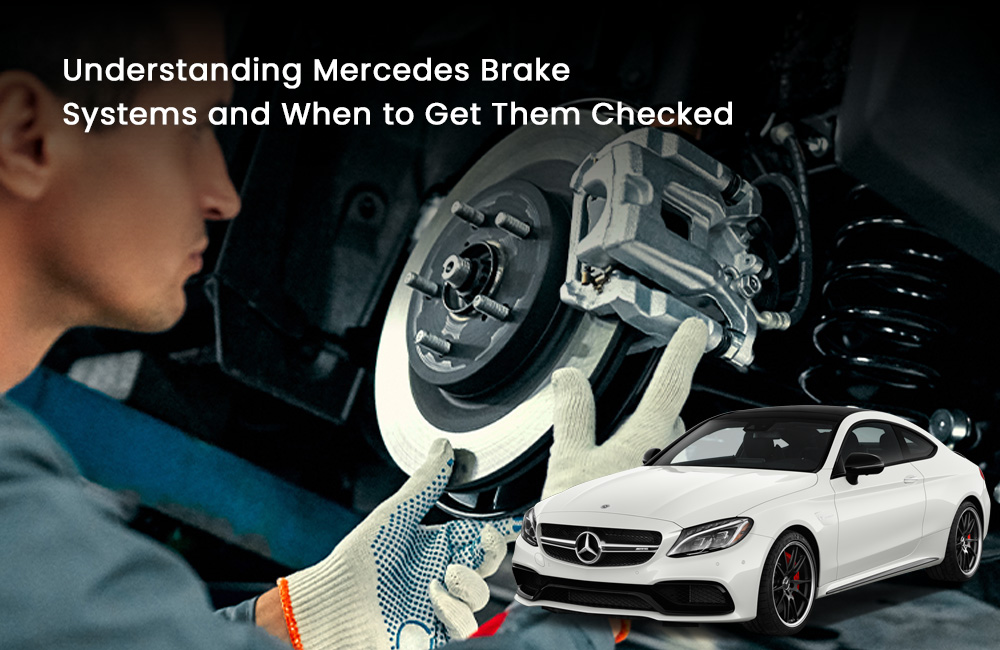
Understanding Mercedes Brake Systems and When to Get Them Checked
24 Mar 2026
Table of Contents
- Introduction: The Unseen Guardians of Your Mercedes-Benz's Safety
- The Anatomy of a Mercedes-Benz Braking System: Precision and Power
- Recognizing the Red Flags: Signs Your Mercedes-Benz Brakes Need Attention
- The Why Behind the Symptoms: Unpacking Mercedes-Benz Brake Issues
- Proactive Mercedes-Benz Brake Maintenance: Extending Life and Ensuring Safety
- When to Seek Professional Mercedes-Benz Brake Service: The Non-Negotiables
- Conclusion: Your Mercedes-Benz's Safety is in Your Hands
- Frequently Asked Questions (FAQs)
Driving a luxury vehicle means demanding the best in performance, handling, and safety. If you own a Mercedes-Benz, your braking system is one of the most critical components keeping you safe on the road. Finding a reliable Mercedes brake service in Dubai is essential for maintaining that safety, especially given the region's unique driving conditions. Heat, dust, and stop-and-go traffic can take a toll on even the most advanced engineering.
This comprehensive guide will walk you through everything you need to know about your vehicle's stopping power. We will explore the anatomy of your brakes, how to spot warning signs, and when to schedule a professional Mercedes brake system inspection.
Introduction: The Unseen Guardians of Your Mercedes-Benz's Safety
Your braking system works silently behind the scenes to protect you, your passengers, and other drivers. While the engine provides the thrill, the brakes deliver the necessary control.
The Pinnacle of Engineering: Mercedes-Benz and Braking Excellence
Mercedes-Benz engineers create vehicles that test the limits of performance and efficiency in automobiles. To achieve this, they have developed brake systems that are capable of stopping the vehicles that are heavy and fast moving smoothly and securely. They use top-quality materials and sophisticated electronic systems to give you the best stopping power.
Why Understanding Your Braking System is Crucial for Every Mercedes-Benz Owner
Understanding how your brakes operate helps you make better maintenance choices. If you are familiar with the fundamental mechanics of the brake, you will be able to spot tiny issues before they develop into expensive issues. This will help to communicate effectively with your technician in the repair of your Mercedes-Benz brakes.
What This Article Will Cover: From Anatomy to Action
We will break down the complex components of your braking system into easy-to-understand concepts. You will learn to recognize the sounds, smells, and feelings that indicate trouble. Finally, we will outline the best maintenance practices to keep your vehicle performing flawlessly.
The Anatomy of a Mercedes-Benz Braking System: Precision and Power
A modern luxury car uses a network of mechanical and electronic parts to bring you to a halt. Understanding these parts helps you see why regular maintenance matters.
Core Mechanical Components and Their Role
Your braking system relies on several key physical parts working together seamlessly:
- Brake Pads: High-friction materials that press against the rotor to stop the wheel.
- Rotors (Discs): Metal discs attached to the wheel hub that dissipate heat.
- Calipers: Clamps that squeeze the brake pads against the rotors.
- Brake Lines: Tubes that carry hydraulic fluid to the calipers.
Mercedes-Benz-Specific Advanced Braking Technologies
Mercedes-Benz incorporates intelligent technology to improve the mechanical brake. Features such as Brake Assist (BAS) recognize emergencies in braking and then automatically apply the maximum force. The Adaptive Braking technology comes with features like the ability to dry brakes in the event of rain and hill-start assistance.
Recognizing the Red Flags: Signs Your Mercedes-Benz Brakes Need Attention
Your car will usually tell you when it needs help. Paying attention to these warning signs can save you from a complete brake failure.
Audible Warnings: Listen to Your Mercedes-Benz
Brake noises are often the first indication of trouble. If you can hear a high-pitched sound, the built-in wear indicators indicate that it's time for replacement of the brake pad. Mercedes pads for the brakes. Grumbling sounds are more pronounced. They are a sign that it is because the pads have been damaged or the pad is scratching against metal.
Sensory Indicators: What You Feel and Experience
Be aware of how your brake pedal feels beneath your feet. A pedal that is spongy or soft indicates moisture or air within the brake lines. If your steering wheel is swaying or vibrating when you apply the brakes, then you may have rotors that are warped and require urgent attention.
Visual and Olfactory Cues: Don't Overlook These Signals
Sometimes, it is possible to detect or smell brake issues. The sharp, chemical burning smell when driving could indicate overheated brakes or a caliper that is stuck. Check your wheels visually and brakes for dark, excessive dust that is accumulating more quickly than normal, which could indicate that pads are wearing rapidly.
Performance Degradation: When Stopping Power Declines
If your car takes longer to stop than it used to, do not ignore it. Fading stopping power compromises your safety. Your vehicle pulling to one side while braking also indicates uneven pad wear or a malfunctioning caliper.
The Why Behind the Symptoms: Unpacking Mercedes-Benz Brake Issues
Understanding why these symptoms occur helps you appreciate the need for prompt, professional care.
Understanding Brake Pad and Rotor Wear
Every time your vehicle stops, a small amount of the material wears off the brake pads and rotors. The intense heat produced by friction speeds up the process. In the hot climate of Dubai, the stress of thermal can cause rotors to be brittle or glaze, which can reduce their efficiency.
The Crucial Role of Brake Fluid Health
Brake fluid is hygroscopic, which means it absorbs water from the air as time passes. Moisture reduces the fluid's temperature and may result in the liquid overheating during heavy braking. The result is gas bubbles that form within the lines, which can lead to a risky decrease in pressure as well as the pedal becoming spongy.
Caliper Malfunctions: Sticking and Seizing Issues
Calipers work in a hostile environment filled with heat, dirt, and dust. If the pistons or slide pins are corroded or clogged with particles, the caliper could become stuck. A caliper that is stuck keeps the pad against the rotor and causes an increase in heat, rapid wear, and a pulsing sensation when driving.
Master Cylinder and Brake Line Integrity
The master cylinder acts as the central part of the hydraulic system. It converts the pressure of your feet into force. Leaks in the master cylinder or the brake lines reduce the pressure. Even a small leak could cause a complete loss of brake capability.
Electronic Parking Brake Specifics (EPB)
Modern Mercedes models feature an Electronic Parking Brake, rather than a manual lever. The EPB utilizes electric motors to activate the brakes on the back. The malfunctions of the EPB system need specialized diagnostic software to repair and reset effectively.
Proactive Mercedes-Benz Brake Maintenance: Extending Life and Ensuring Safety
Preventive care is always cheaper and safer than reactive repairs. Following a strict maintenance schedule keeps your car performing at its peak.
Adhering to Mercedes-Benz Service Intervals
Your owner's manual outlines the specific service intervals for your exact model. Sticking to this schedule is non-negotiable for luxury vehicles. Regular visits to a certified technician ensure that minor wear and tear is addressed early.
| Maintenance Task | Recommended Interval |
|---|---|
| Brake Pad Inspection | Every 10,000 km |
| Brake Fluid Check | Every service visit |
| Brake Fluid Flush | Every 2 years or 40,000 km |
| Rotor Inspection | With every pad change |
The Critical Practice of Brake Fluid Flushes
A regular brake fluid change is vital for maintaining hydraulic pressure. Flushing out the old, moisture-heavy fluid prevents internal corrosion and ensures your brakes respond instantly when you press the pedal.
Comprehensive Brake Component Checks
A thorough Mercedes brake system inspection goes beyond just looking at the pads. Technicians must check the brake components, including lines for cracks, calipers for leaks, and rotors for uneven wear patterns.
Driving Habits that Prolong Brake Life
Your driving habits directly impact how long your brakes last. Avoid harsh, sudden stops whenever possible. Coasting to a stop and maintaining a safe following distance reduces the strain on your braking system.
When to Seek Professional Mercedes-Benz Brake Service: The Non-Negotiables
Brakes are not a DIY project. When issues arise, you need the expertise of trained professionals who understand luxury European vehicles.
The Value of Mercedes-Benz-Certified Technicians and Service Providers
The certified technicians have the expert skills required to service complicated Mercedes systems. They know the exact specifications of torque as well as fluid requirements and procedures for calibration that help ensure your car is secure and in compliance with warranty standards.
Insisting on Genuine Mercedes-Benz Parts (OEM Parts) for Repairs
Never compromise on parts. Original OEM components are made in accordance with the exact specifications of your car. Although aftermarket parts may be less expensive, they usually lack the strength, fit, and performance that is required by the performance of a Mercedes-Benz.
Understanding the Role of Advanced Diagnostic Tools
Modern Mercedes brake systems are integrated into computers in the vehicle's network. Technicians require sophisticated diagnostic scanners that can read fault codes in these ABS as well as ESP modules. These scanners are crucial to accurately diagnose electronic problems and for resetting the service indicators.
The Consequences of Neglecting Your Mercedes-Benz Brakes
The failure to pay attention to warning signs for brakes puts your life in danger. Failure to maintain your brakes will result in longer stopping distances, as well as loss of control over the vehicle. Additionally, putting off replacing a single pad could cause damage to your calipers and rotors and turn a routine maintenance job into a huge repair cost.
Conclusion: Your Mercedes-Benz's Safety is in Your Hands (and Your Technician's Expertise)
Maintaining your vehicle's stopping power is a shared responsibility between your driving habits and your chosen service center.
Recap: Key Takeaways for Mercedes-Benz Brake Understanding
We've discussed the crucial electronic and mechanical elements that comprise the braking system. You are now able to spot the squealing noises and smells that indicate wear. We also stressed the importance of flushing your fluid regularly and the use of authentic OEM components.
Prioritizing Timely Brake Service for Peace of Mind
Do not wait for a complete failure to get your brakes checked. Proactive maintenance ensures that your car responds perfectly in an emergency. Regular inspections give you the peace of mind to enjoy the drive.
Trusting Mercedes-Benz Brake Specialists for Uncompromised Safety and Performance
If you require a Mercedes-Benz brake repair, make sure you trust the professionals. Find a specialist service center that is equipped with the appropriate equipment, genuine parts, and skilled technicians. Make an appointment for your Mercedes brake service in Dubai now to ensure that your luxurious vehicle is as secure as it is exciting to drive. Schedule your appointment now to enjoy unrivaled automotive service.
Frequently Asked Questions (FAQ)
Explore our FAQs below or find the answers you're looking for right here.
-
How do I know if my Mercedes brake rotors need to be replaced?
-
Is it safe to drive with a brake warning light on in my Mercedes?
No, driving with any brake warning light illuminated can be dangerous. It could signal worn pads, low brake fluid, or a more serious system malfunction. Schedule a professional inspection as soon as the light appears.
-
What’s included in a Mercedes brake system inspection?
A comprehensive brake inspection covers brake pads, rotors, calipers, brake lines, fluid condition, sensors, and electronic components. Certified technicians use diagnostic tools to ensure all elements of your brake system are working properly.
-
What are the risks of delaying Mercedes brake service?
Delaying brake service can lead to increased wear on other components, higher repair costs, and - most importantly - compromised safety for you and your passengers. Prompt brake maintenance is essential for responsive braking and vehicle control.
-
How long does a typical Mercedes brake service take?
A routine brake inspection or pad replacement typically takes 1-2 hours, depending on your model and the extent of work required. More involved repairs, such as rotor replacement or diagnostics, may take longer, but most services can be completed the same day.
-
Are Mercedes brake repairs covered by warranty?
If your Mercedes is still under manufacturer warranty, some brake components or defects may be covered. Wear-and-tear items like brake pads are usually not included, but service centers can check your coverage and advise you on warranty eligibility.
-
How much does a Mercedes brake pad replacement cost in Dubai?
Costs vary depending on your specific model and the type of pads required (standard vs. AMG performance). Always request a quote from a certified specialist to ensure you are getting genuine OEM parts and accurate labor pricing.
-
How often do I need a Mercedes brake system inspection?
We recommend a comprehensive brake inspection every 10,000 kilometers or during your routine minor/major service intervals. However, if you hear noises or feel vibrations, get them inspected immediately.
-
Can I use aftermarket brake parts on my Mercedes?
While aftermarket parts are available, we strongly advise against using them. Genuine Mercedes-Benz parts guarantee the correct fit, optimal friction levels, and the reliability required to stop a high-performance vehicle safely.
-
Why is my brake pedal feeling soft or spongy?
A spongy brake pedal usually indicates air or moisture trapped in the brake fluid lines. This requires an immediate brake fluid flush and system bleed by a professional technician to restore proper hydraulic pressure.